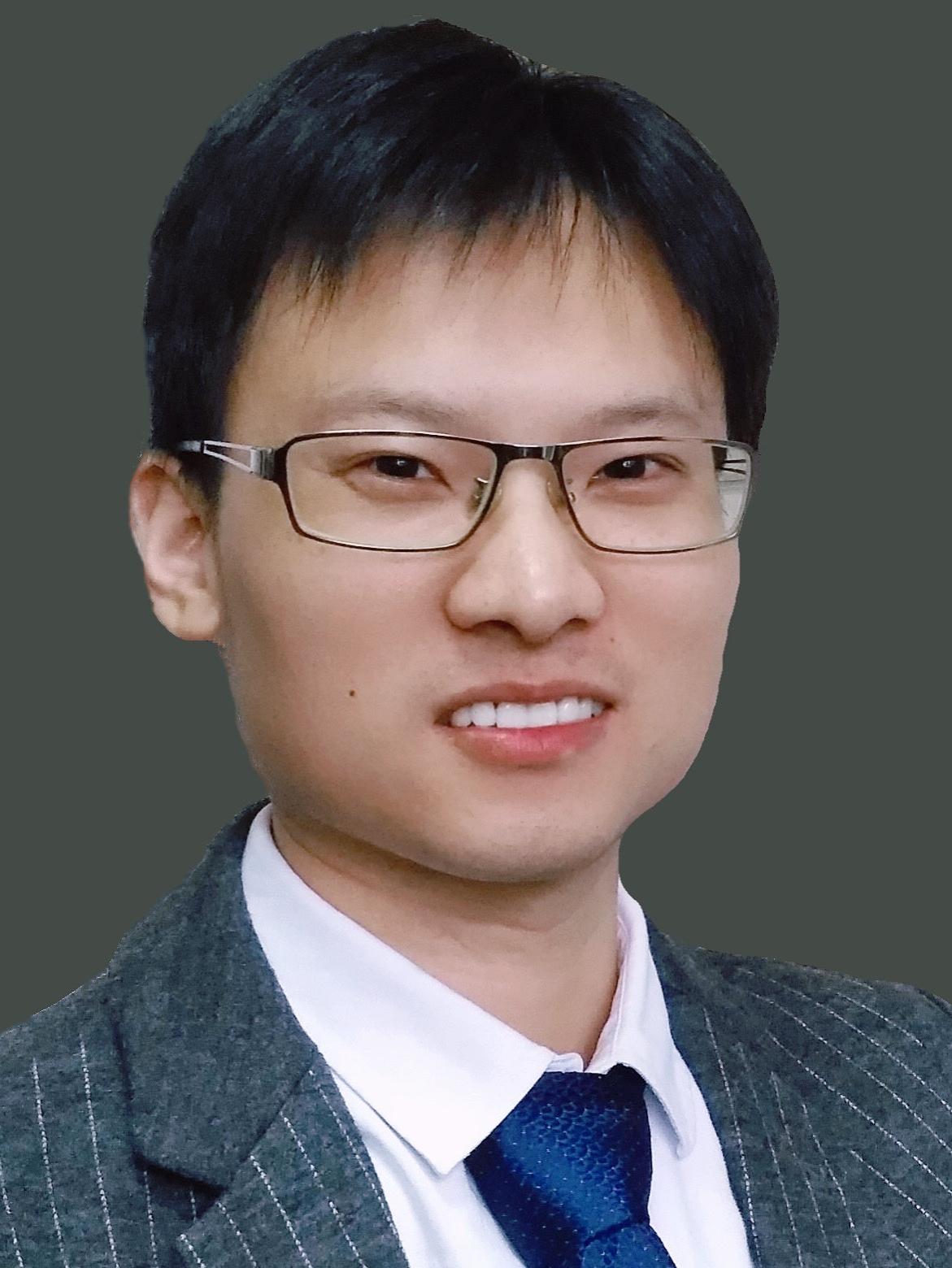
Hang Yang
Wuhan Institute of Virology, Chinese Academy of Sciences
Yang Lab
Prof. Dr. Hang Yang conducts research at the Wuhan Institute of Virology, Chinese Academy of Sciences, where his work spans virology, immunotherapy, and materials science. He focuses on the development of bacteriophage lysins and chimeric anti-infective agents to address antibiotic-resistant pathogens. With a strong publication record and active interdisciplinary collaborations, Prof. Yang’s work continues to advance both biomedical research and materials engineering.
Affiliations: (1). Huazhong Agricultural University (2). Fujian Medical University (3). Wuhan Institute of Virology, Chinese Academy of Sciences
With the increased emergence of multidrug-resistant bacteria, new antimicrobials with mechanisms of action different from conventional antibiotics are urgently needed. Bacteriophage-encoded lysins are bacteriolytic proteins produced at the end of the phage lytic cycle that destroy elements of bacterial cell wall and enable the release of phage progeny from host cells. More frequently, lysins are considered promising alternatives to conventional antibiotics due to their direct peptidoglycan degradation activity and low risk of resistance development. However, the discovery of these enzymes is often hampered by the limited availability of phage genomes. Herein, we will report a new strategy for active lysin discovery against Gram-negative pathogens, i.e., the recognition-mining-engineering approach. In the recognition module, we aim to identify the main factors that determine the membrane-penetrating and bactericidal activity of Gram-negative lysins; in the mining module, we developed several new approaches that help to mine new lysins from bacterial proteomes; and in the engineering module, we combined the knowledge from the recognition and mining modules and designed several engineered lysins with enhanced bactericidal activity. Taken together, these studies investigate the challenges of Gram-negative lysin development in deep and set up new workflow clues for accelerating the medical translation of lysins as alternative antimicrobials against Gram-negative pathogens.